
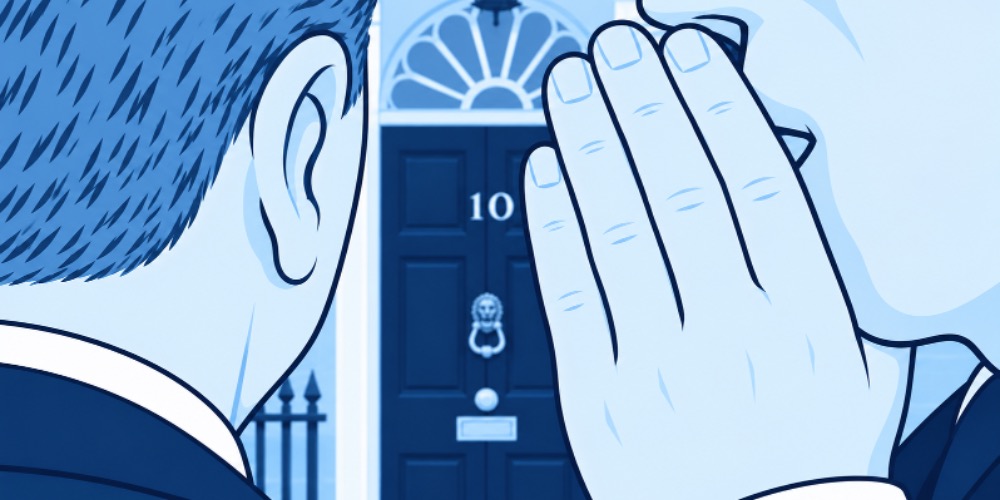
In the weeks before a Budget, something strange happens to personal finance. Rumours become headlines, possibilities start being discussed as though they are policies, and perfectly sensible people begin wondering whether they need to move investments, take money out of a pension, make gifts or change plans they had been perfectly comfortable with a few weeks earlier.
With the next Budget now confirmed for 28 October, the speculation is already building. From pensions and Capital Gains Tax to property and inheritance, almost every part of our finances appears capable of becoming a potential Budget story before the Chancellor even reaches the despatch box. GOV.UK
Sometimes those rumours eventually turn into policy. Often they do not. The danger is making a permanent financial decision in response to something that was never permanent in the first place.
Why uncertainty makes us want to act
Doing nothing can feel surprisingly uncomfortable when we think something might be about to change. If there is a suggestion that a tax allowance could disappear next week, acting today can feel safer than waiting to discover whether the rumour was true.
There is a perfectly understandable logic behind that. Nobody wants to look back after the Budget and think they missed an opportunity simply because they waited a few days.
The problem is that acting quickly can create consequences of its own. Money withdrawn from one part of a financial plan may lose tax advantages. An investment sold because of a possible tax change may create a tax liability today. A gift made earlier than planned may be difficult to undo. Decisions that made perfect sense under the policy people were expecting can look very different once the actual Budget is published.
The important distinction is between responding to a confirmed change and trying to outrun a rumour.
We have seen this before
Pensions provide a particularly useful example.
Ahead of recent Budgets, speculation repeatedly suggested that the amount people could take tax-free from their pensions might be reduced. According to AJ Bell’s analysis of FCA data, the run-up to the previous two Budgets contributed to around £14 billion of excess pension withdrawals in 2025 compared with pre-election averages. Yet the tax-free cash rules were not subsequently cut.
That left some people having taken money out of pensions earlier than they otherwise might have done. Once withdrawn, that money may sit in a bank account, become subject to different tax treatment or simply no longer benefit from the same pension environment. AJ Bell has specifically warned that taking pension tax-free cash is generally an irreversible decision and should not be driven purely by Budget speculation. Its guidance on taking pension tax-free cash explains some of the considerations here.
The lesson is not that people should never act before a Budget. Sometimes there may be a genuine reason to do so. It is that fear of what might happen is not, by itself, a financial plan.
Today’s certainty can become tomorrow’s old rumour
Another difficulty with Budget speculation is how quickly it changes.
Capital Gains Tax has already provided an example this year. There has been considerable discussion about whether rates could move closer to Income Tax rates. Yet this week reports indicated that Chancellor John Healey had ruled out full equalisation, even while leaving open the possibility of other changes. Reuters reported the latest position on Capital Gains Tax here.
Someone who had fundamentally changed their investment plans several weeks ago on the assumption that a particular CGT change was inevitable would therefore already be responding to an outdated version of the story.
That is the problem with trying to plan around leaks, briefings and speculation. You are not just trying to predict government policy. You are trying to predict which of dozens of possibilities will survive the political process and appear in the final Budget.
Ask what would actually change for you
When Budget speculation begins to feel urgent, it can help to bring the conversation back to your own circumstances.
If a rumoured change happened, would it actually affect you? Would it change something you were already planning to do, or is it creating a completely new decision? Is the potential benefit of acting now meaningful enough to justify the disadvantages if the rumour proves wrong?
Those are often much more useful questions than simply asking, “What should I do before the Budget?”
Consider somebody who had already planned to take pension income this year to fund their retirement. A Budget announcement might influence the timing of a decision they were going to make anyway.
That is very different from somebody withdrawing a large sum they do not need simply because they have read that tax-free cash might change.
Likewise, somebody already planning a gift to their children may reasonably want to understand whether forthcoming tax changes affect the timing. That is different from giving money away purely because of speculation around Inheritance Tax.
The financial decision should still make sense even when the Budget headline is removed.
The Budget is one day. Your plan is much longer.
It is easy to forget this during the build-up.
A Budget can undoubtedly change tax rules, allowances and incentives. Some announcements will require people to reconsider parts of their finances. Others may create genuine opportunities.
But most financial plans are built around objectives stretching years or decades into the future. Retirement, helping children, buying property, building investments or passing wealth to the next generation are rarely decisions that should be completely rewritten because of a fortnight of political speculation.
That longer perspective can be particularly useful when the headlines become noisy.
The question is not whether the Budget matters. Of course it does.
The question is whether every Budget rumour deserves a reaction.
Wait for the Budget you actually get
On 28 October, we will finally know which of the countless rumours became policy, which disappeared and which subjects were never mentioned at all.
There will then be another important stage: understanding the detail. Budget announcements often come with implementation dates, transitional arrangements and technical rules that are difficult to capture in the first headline or television interview.
That is when it makes sense to look again at your plans and ask whether anything genuinely needs to change.
There is a big difference between being prepared for a Budget and trying to predict one.
Being prepared means understanding your finances, knowing where potential changes could affect you and being ready to respond once the detail is clear.
Trying to predict it means making important decisions today based on tomorrow’s newspaper headline.
Sometimes the most sensible thing you can do before a Budget is simply wait until there is something real to respond to.
The above will redirect you to a non-Digby affiliated webpages. Neither Digby Associates nor Quilter Financial Planning are responsible for the accuracy of the information contained within the linked site.