
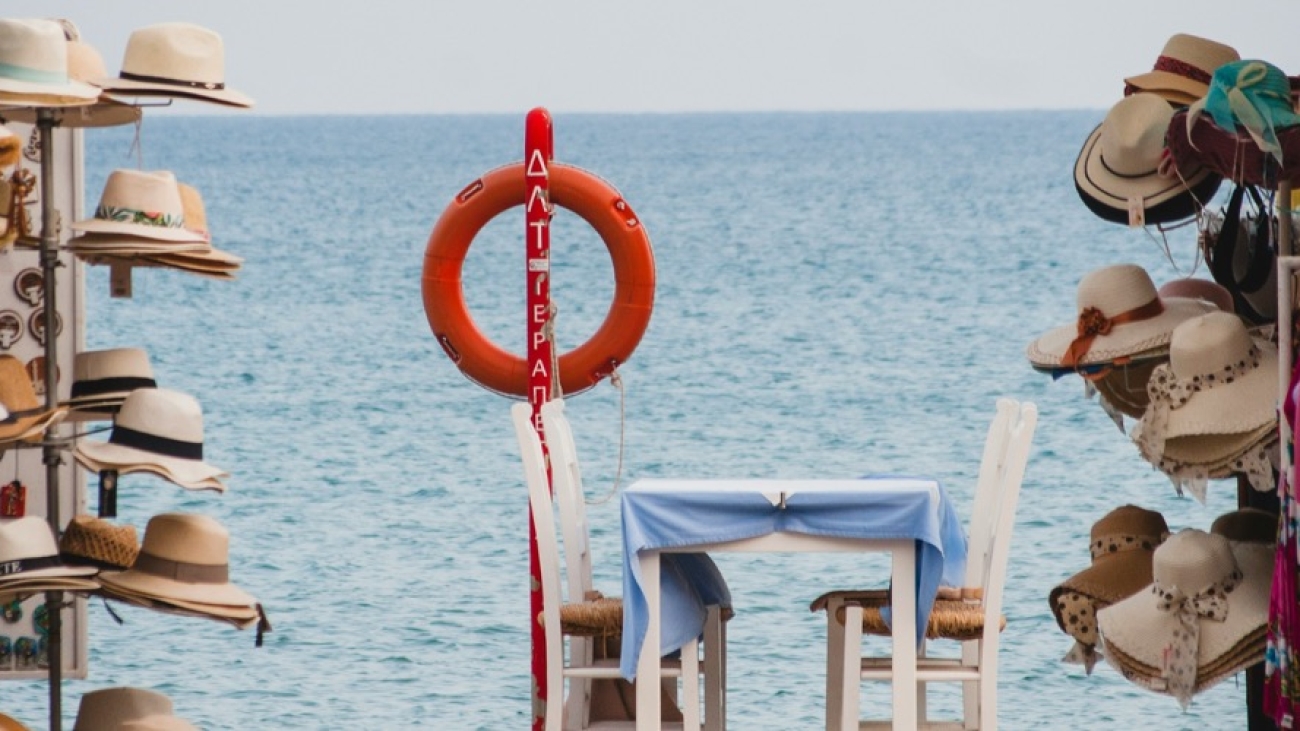
For many of us, the countdown to a summer holiday is well underway. Flights are booked, accommodation is sorted and the suitcase is waiting to be packed.
But before heading to the airport, there is one factor that can have a surprisingly big impact on the overall cost of your trip: the exchange rate.
Even relatively small movements in the value of the pound can affect how much spending money you have once you arrive, influencing everything from restaurant meals and excursions to shopping and everyday purchases.
What Has Been Happening to the Pound?
The good news for UK holidaymakers is that sterling has been relatively resilient in recent weeks.
Against the US dollar, the pound has strengthened to around $1.34, close to its highest levels of the year, helped by changing expectations around interest rates and the wider economic outlook.
The pound has also remained relatively firm against the euro, trading at around EUR 1.17 in recent weeks.
While exchange rates move every day, a stronger pound means British travellers may find their holiday money goes slightly further than it did earlier in the year.
Why Exchange Rates Matter
Exchange rates determine how much foreign currency you receive for every pound you exchange.
Imagine you are taking £1,000 on holiday.
If the exchange rate moves from EUR 1.10 to EUR 1.17, the same £1,000 would give you around EUR 70 more to spend.
That could cover a couple of meals out, a family excursion or a few extra holiday treats.
Small movements in exchange rates can therefore make a noticeable difference, particularly for families travelling abroad.
It Is Not Just About Europe
The strength of the pound also affects holidays further afield.
Travellers visiting the United States, parts of the Caribbean or destinations where prices are linked to the US dollar may also benefit when sterling strengthens.
However, exchange rates are only one part of the picture.
Higher local prices in some destinations mean hotels, restaurants and attractions may still cost more than they did a year or two ago, even if the exchange rate has improved.
Should You Buy Currency Now or Wait?
This is one of the most common questions holidaymakers ask.
The honest answer is that nobody knows exactly where exchange rates will move next.
Currencies respond to a wide range of factors, including inflation, interest rates, economic growth and political developments. Trying to perfectly time the market is therefore extremely difficult.
Instead, some people choose to spread the risk by exchanging part of their money in advance and buying more closer to departure.
Whatever approach you take, it is worth comparing providers. Exchange rates can vary significantly, and the rate available online is often better than the one offered at the airport.
A Few Ways to Make Your Money Go Further
Exchange rates are only one part of holiday spending.
When using a debit or credit card abroad, it is usually better to choose to pay in the local currency rather than pounds sterling. This can help you avoid less favourable conversion rates applied by the retailer or payment terminal.
It is also worth checking whether your bank charges overseas transaction fees. Some accounts offer fee-free spending abroad, while others add a charge each time you use your card.
Leaving all your currency exchange until you reach the airport can also be expensive, as airport exchange desks often offer less competitive rates.
Looking Beyond the Holiday
Exchange rates do not only affect holidays.
They can also influence the price of imported goods, overseas investments and international business activity. Changes in the value of sterling can eventually affect inflation and the cost of everyday products in the UK.
For holidaymakers, however, the impact is much more immediate.
A stronger pound means your spending money can stretch further. A weaker pound means the same holiday may cost more.
Final Thoughts
Exchange rates may not be the first thing you think about when planning a holiday, but they can make a meaningful difference to your overall budget.
Nobody can predict exactly where currencies will move over the coming weeks. However, understanding how exchange rates work, comparing providers and checking card charges before you travel can help you make the most of your money.
After all, if a favourable exchange rate means an extra meal by the sea, another family day out or simply a little less financial stress while you are away, it is worth paying attention before you fly.