
A pay rise is usually something to celebrate.
After months or years of hard work, seeing your salary increase should, in theory, leave you feeling more financially secure. Yet many people are surprised to find that, a year later, they don’t feel much better off than they did before.
So, what happened?
Often, the answer is something known as lifestyle inflation.
What Is Lifestyle Inflation?
Lifestyle inflation happens when our spending gradually rises alongside our income.
It rarely happens overnight. Instead, it creeps in quietly.
Perhaps you start eating out a little more often. You upgrade your car sooner than planned, subscribe to another streaming service, book a more expensive holiday or move into a larger home.
None of these decisions are necessarily wrong. In fact, one of the rewards of working hard is being able to enjoy the things that matter to you.
The challenge is when every pay rise is absorbed into higher day-to-day spending, leaving little improvement in your long-term financial position.
It’s More Common Than You Might Think
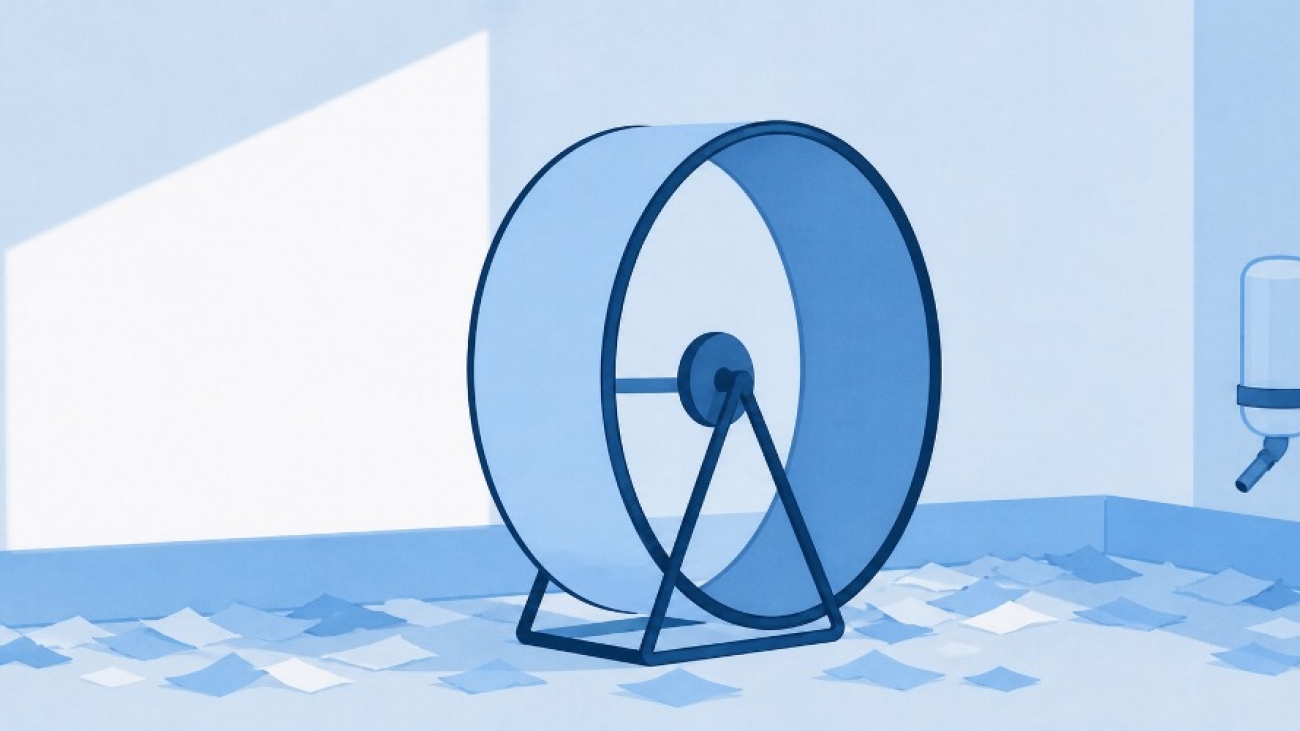
Behavioural economists have long recognised a phenomenon known as hedonic adaptation, sometimes referred to as the hedonic treadmill. It describes our tendency to quickly become accustomed to improvements in our circumstances. A pay rise, a newer car or a bigger home may initially feel like a significant step up, but over time those things become our new normal and the satisfaction they bring begins to fade. The concept is explored in the Behavioural Economics Guide to Hedonic Adaptation.
Economist Richard Easterlin’s work on income and happiness also found that as our income rises, our expectations often rise alongside it, meaning yesterday’s luxury can soon feel like today’s necessity. You can read more in his paper, Income and Happiness: Towards a Unified Theory.
This helps explain why earning more does not always lead to feeling wealthier. Without consciously deciding where additional income should go, higher earnings can gradually be absorbed into higher everyday spending, leaving little improvement in long-term financial security.
The result is that, despite earning more than ever before, many people continue to feel as though they’re living from one payday to the next.
A Different Way to Think About a Pay Rise
Rather than asking, “What can I spend this on?”, it can be worth asking a different question:
“What opportunity does this extra income give me?”
It might allow you to:
- build an emergency fund more quickly;
- increase your pension contributions;
- invest for the future;
- reduce your mortgage sooner; or
- save towards a goal that’s been on hold.
Of course, it’s important to enjoy your success too. The aim isn’t to avoid spending altogether, but to strike a balance between enjoying today and preparing for tomorrow.
The 50:50 Approach
One simple strategy some people find helpful is to split any pay rise.
For example, if your take-home pay increases by £200 a month, you might choose to enjoy £100 of that increase while directing the other £100 towards savings, investments or your pension.
This allows your lifestyle to improve without missing the opportunity to strengthen your long-term financial security.
Over time, even relatively modest amounts can make a meaningful difference.
Small Changes Can Have a Big Impact
Imagine receiving a pay rise every few years throughout your career.
If each increase resulted in just a small boost to your pension contributions or regular savings, those additional amounts could benefit from years, or even decades, of compound growth.
It’s one of the reasons financial planning is often about consistency rather than dramatic decisions.
Small improvements, repeated over time, can produce significant results.
You should always remember Investing can help your money grow over time, although the value of investments can go down as well as up.
Making It Automatic
One of the easiest ways to avoid lifestyle inflation is to remove the decision altogether.
If you decide to increase your pension contributions or monthly savings, consider arranging for the money to leave your account shortly after you’re paid.
When saving happens automatically, you’re less likely to miss the money and less tempted to spend it elsewhere.
It’s Not About Spending Less
Lifestyle inflation isn’t something to fear.
There’s nothing wrong with enjoying the rewards of your hard work, taking better holidays or treating yourself and your family.
The key is making those choices deliberately rather than allowing spending to increase without really noticing.
Financial confidence often comes not from earning more, but from knowing your additional income is helping you move closer to the goals that matter most.
Final Thoughts
A pay rise creates an opportunity, but what happens next is often more important than the increase itself.
Rather than allowing every extra pound to disappear into everyday spending, taking a moment to think about your longer-term priorities can have a lasting impact.
After all, the most valuable pay rise isn’t always the one that changes your lifestyle the most. Sometimes, it’s the one that changes your future.